
Product Development
From Robinhood to Uber to Qonto: lessons in designing products that scale
Real strategies, frameworks, and insights from leaders who built Europe's fastest-growing products.
13/11/2025
•
.png)
.avif)
This week, I sat down with Didier Hilhorst, a designer whose work has quietly shaped the daily habits of millions of people. From building the foundations of Robinhood, to redesigning Uber’s core experience, to leading design at Qonto, Didier’s career is a masterclass in how clarity and intuition can drive business impact.
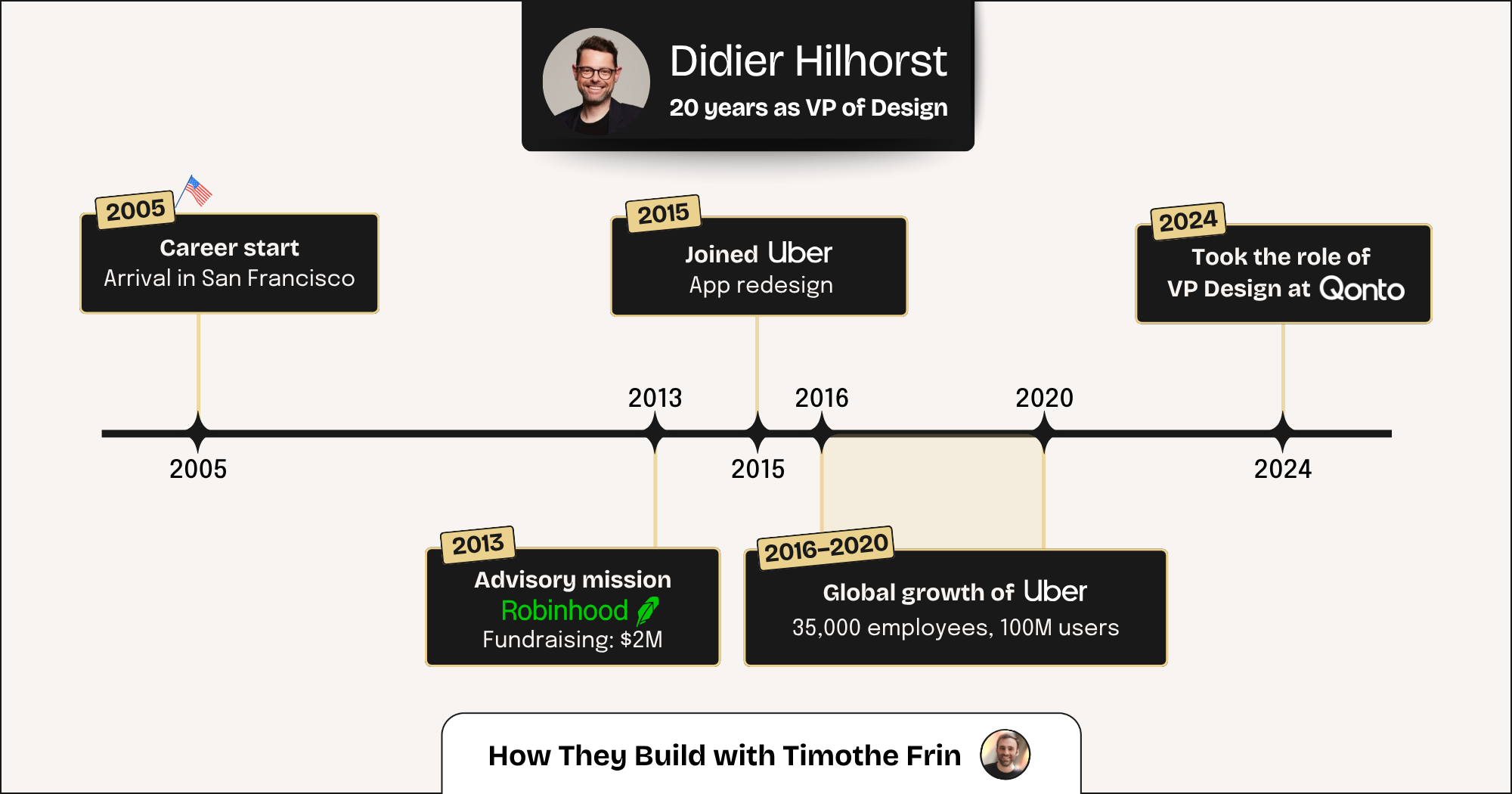
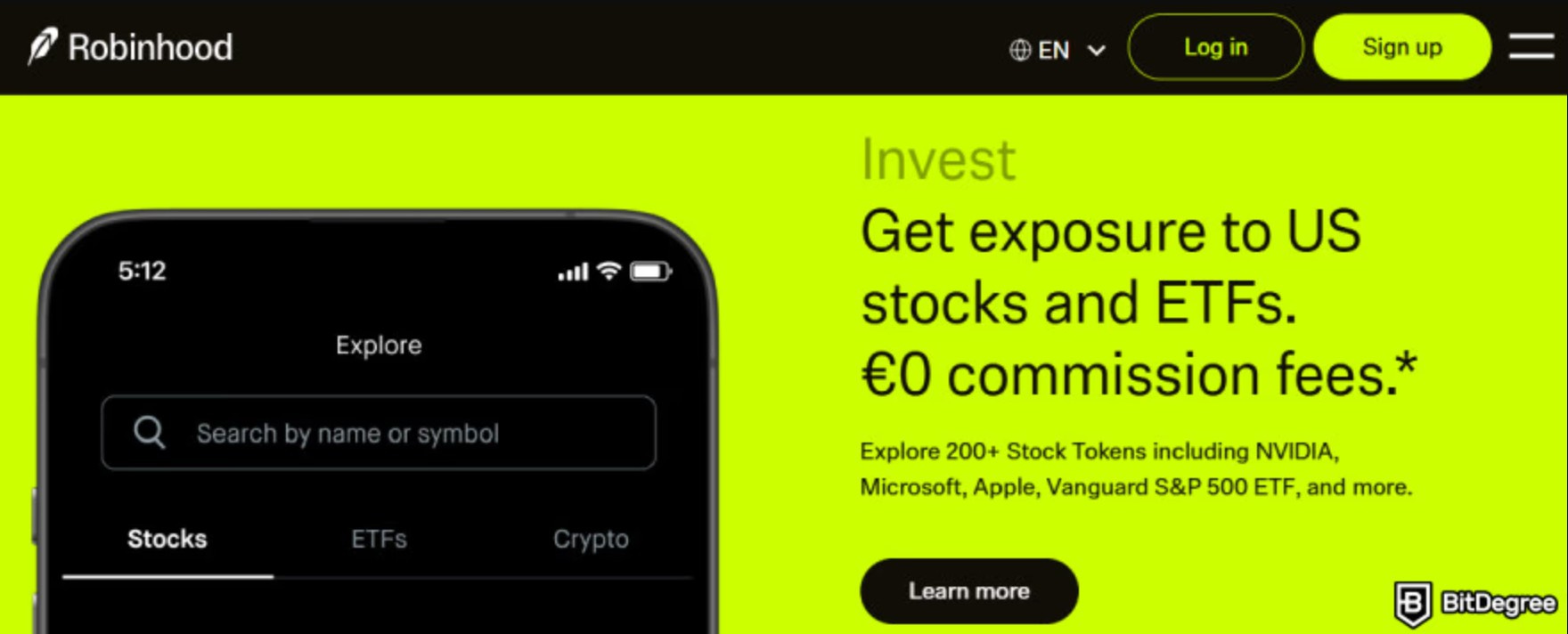
Didier began his career in the U.S., supporting Robinhood as an advisor when the company was just ten people. He helped define its identity — from the logo to the first app — and watched as a small, mission-driven team sparked a movement that redefined retail investing.
He then joined Uber, leading the redesign of an app already used by over 100 million people. The challenge was no longer about building from scratch, but about simplifying complexity at scale, introducing clarity, fixing the user journey, and restoring trust after years of product fragmentation.
Today, Didier is VP Design at Qonto, one of Europe’s leading fintechs with over 600,000 business customers, 1,600 employees, and a €5B valuation. Based in Paris, he now focuses on scaling design teams, building products that empower small businesses, and proving that great design isn’t decoration, it’s leverage.
Across these experiences, Didier has developed a rare perspective on product design: how to balance intuition and validation, how simplicity builds trust, and how design decisions can shape a company’s trajectory from early chaos to global scale.
👉 In this newsletter, I’ll share three key learnings from Didier’s journey, one from each of his defining experiences: Robinhood, Uber, and Qonto.
Disclaimer: The organizational choices and technical solutions shared in this newsletter aren’t meant to be copied and pasted as-is. Always keep your company’s context in mind before adopting something that works elsewhere! 😊
Creating a movement: lessons from Robinhood
With Robinhood, Didier partnered with the founding 10-person team before launch, helping translate a bold mission, democratize access to financial markets, into a product and a movement. The challenge: break into a tightly regulated, trust-sensitive industry without brand credibility.
The team’s breakthrough came through community-first marketing and design clarity. They launched a waitlist and used a bold tagline : “Zero commission fees.”
“They posted on Reddit, found early users, and created a sense of movement before launching” says Didier.
That combination of clarity, timing (post-2008 anti-Wall Street sentiment), and trust in simplicity made Robinhood the Free Mobile of U.S. investing. The insight? A clear, repeated tagline can create virality when it hits a cultural moment.
Scaling simplicity: redesigning Uber’s core app
When Didier joined Uber in 2015, the app was powerful but confusing. Riders couldn’t even input destinations before booking. Didier led the redesign of Uber’s app from the ground up, what he calls a “YOLO release.”
The small design team introduced one fundamental change: asking users where they were going first.
“We were terrified we’d add friction. But 95% of users instantly said: ‘It’s still Uber” says Didier Hilhorst
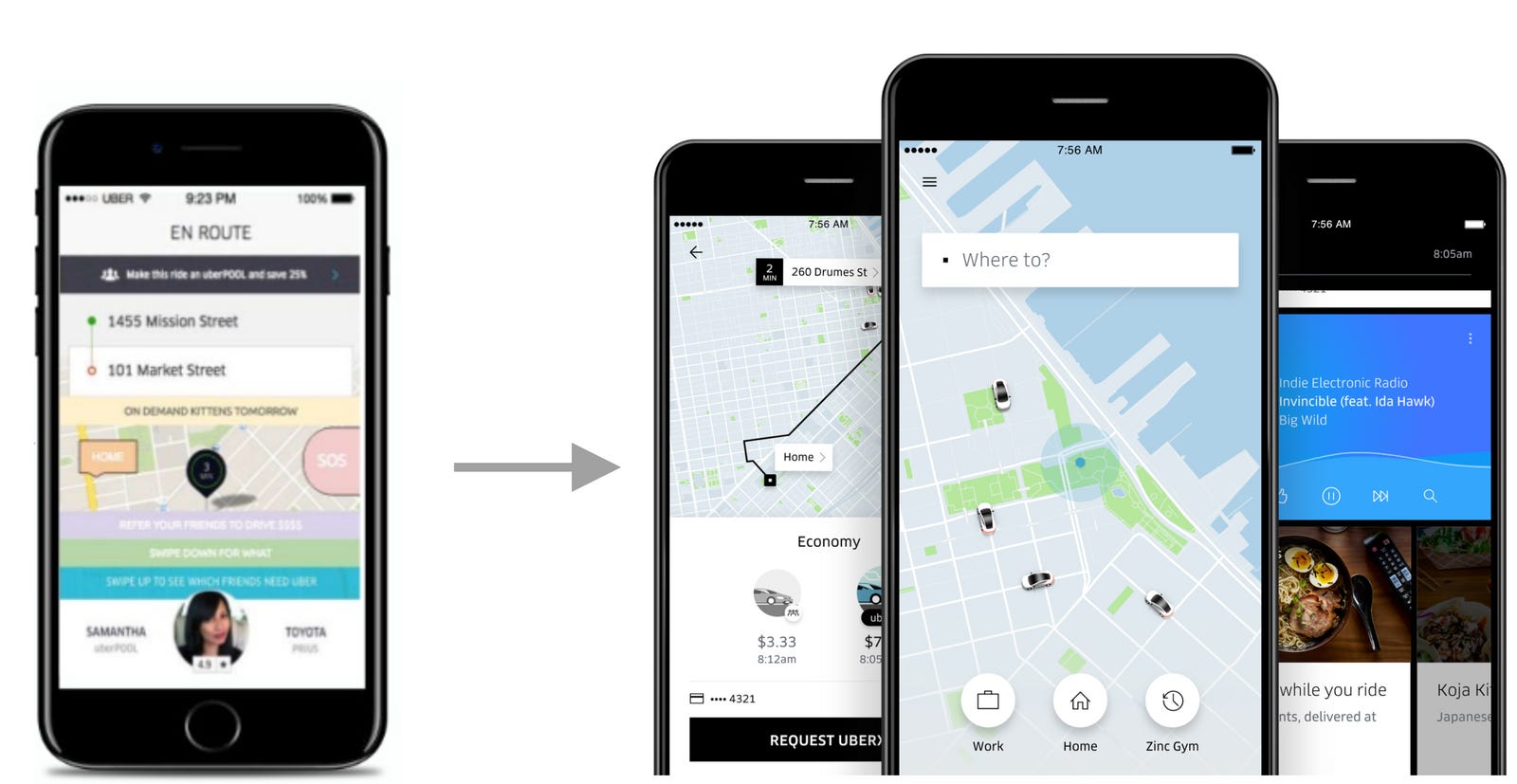
The result was clarity, transparency, and trust. Users finally saw prices before rides, solving Uber’s surge-pricing outrage.
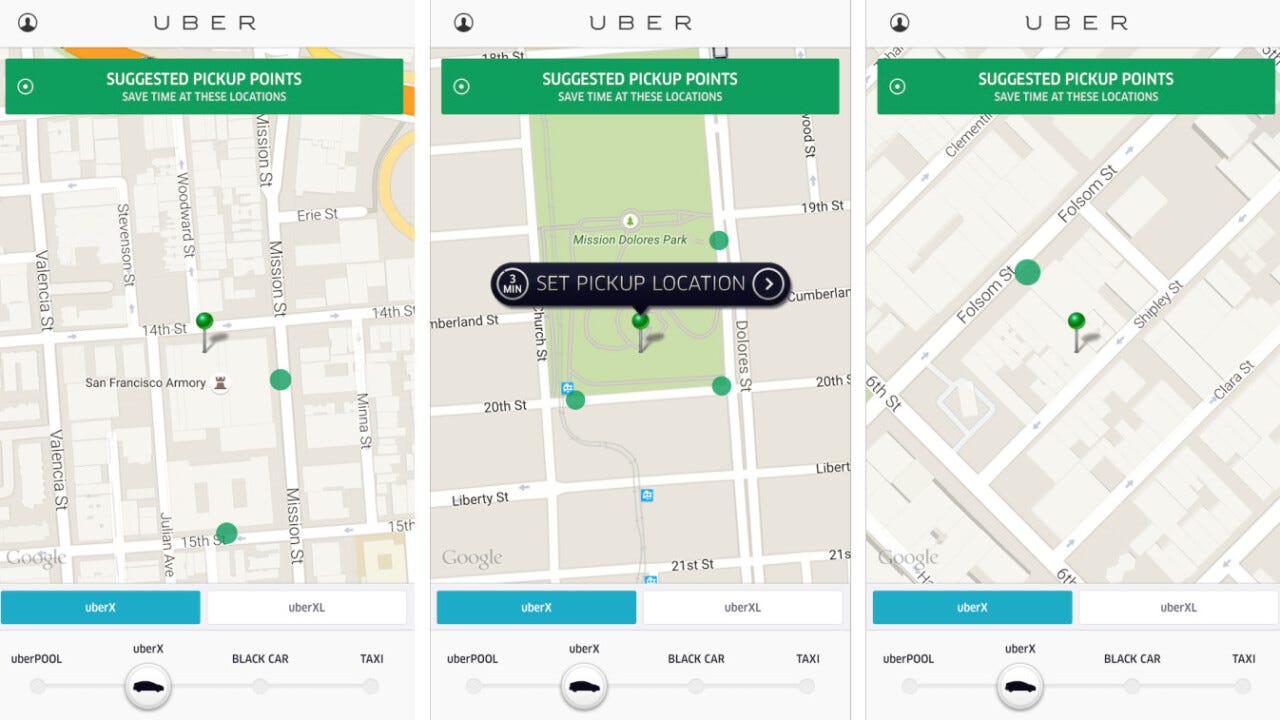
But not everything went smoothly. Overconfidence in GPS data caused pickup mismatches in dense cities like New York. The fix came from human insight and hybrid models: giving users control when GPS confidence was low.
Hilhorst’s lesson: scale demands humility. Even at 100M+ users, user research beats assumptions. His takeaway: “If it doesn’t make cents, it doesn’t make sense.”
Designing by intuition: Qonto’s customizable cards
At Qonto, Hilhorst’s challenge shifted from scaling to intuition-driven innovation. One example: the launch of customizable virtual cards, which came not from business requests but from design instinct.
Rather than building a financial case first, the team trusted user empathy: small business owners wanted flexibility to control expenses their way.
“We didn’t have a detailed business plan for it. We trusted our intuition — and it worked” says Didier.
The feature turned out to drive both engagement and conversion. It reminded the team that impact often follows emotion, not spreadsheets.

Error: when confidence blinds execution
At Uber, the team’s biggest miss wasn’t about design, but overconfidence. Believing the GPS would always be accurate, they removed manual pickup input — and triggered chaos in dense urban zones.
Within days, thousands of users were stranded or mislocated. The fix required humility: rebuilding the model to include confidence thresholds and manual overrides.
The lesson carried over to Didier’s leadership philosophy: confidence without validation kills usability. Designers must be both bold and paranoid.

- Building momentum often starts with a tagline that creates a movement, not just a product launch.
- Friction can be a feature: upfront inputs (like Uber’s “Where to?”) enable downstream scalability.
- Design impacts business metrics directly—failed GPS pickup flows at Uber showed cost implications.
- Trusting intuition accelerates speed-to-market when data is incomplete, as with Qonto’s customizable cards.
- Scaling products requires ruthless clarity: avoid piling features that confuse instead of adding value.
My full interview with Qonto’s VP Design
Dive deeper into this topic with Didier Hilhorst, VP Design of Qonto, in my latest podcast episode:

Test your Product performance in 10 min
Trusted by 100+ startups and top CPOs like:


In this article
About Stellar
Stellar is a team of senior CPOs and CTOs who work hands-on inside product and engineering teams to fix what slows them down. Not advisors. Not trainers. Operators who've done the job before and know exactly where to look.
Discover StellarDive deeper
See all articles
.avif)

.avif)