

AI
How Veed.io turned AI into its biggest growth driver
Real strategies, frameworks, and insights from leaders who built Europe's fastest-growing products.
6/11/2025
•
.png)
.avif)
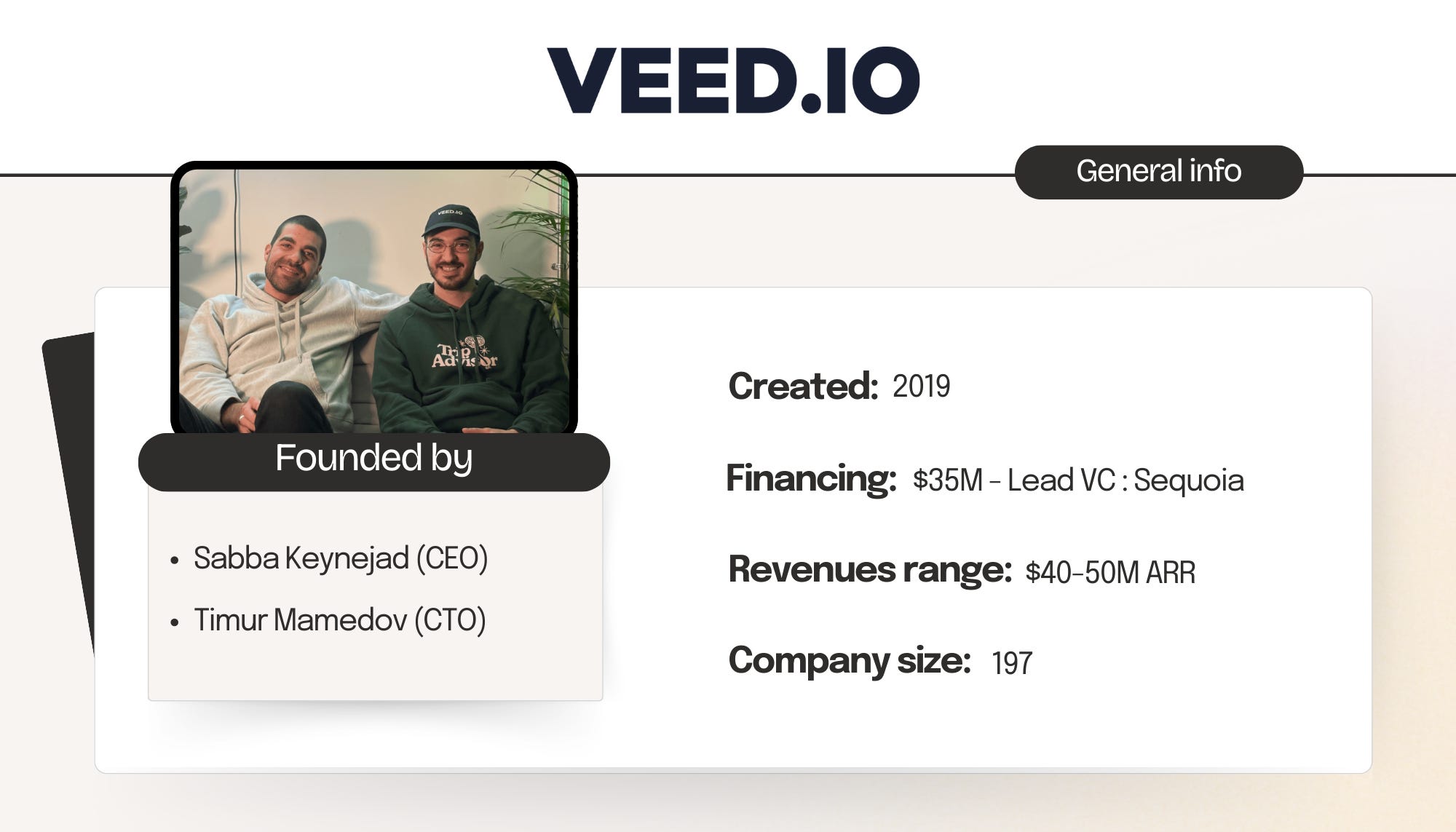
Founded in 2019, Veed.io set out to make video creation simpler for non-experts. Initially positioned as a lightweight editing tool with features like subtitling, translations, and music overlays, it quickly gained traction in a crowded space. The company bootstrapped to $8M ARR before raising $35M from Sequoia in 2021 to accelerate growth. By 2025, Veed.io had reached $40–50M ARR and employed nearly 200 people. Its turning point came when AI shifted from a supporting feature (like automatic subtitles) to the company’s core growth engine.
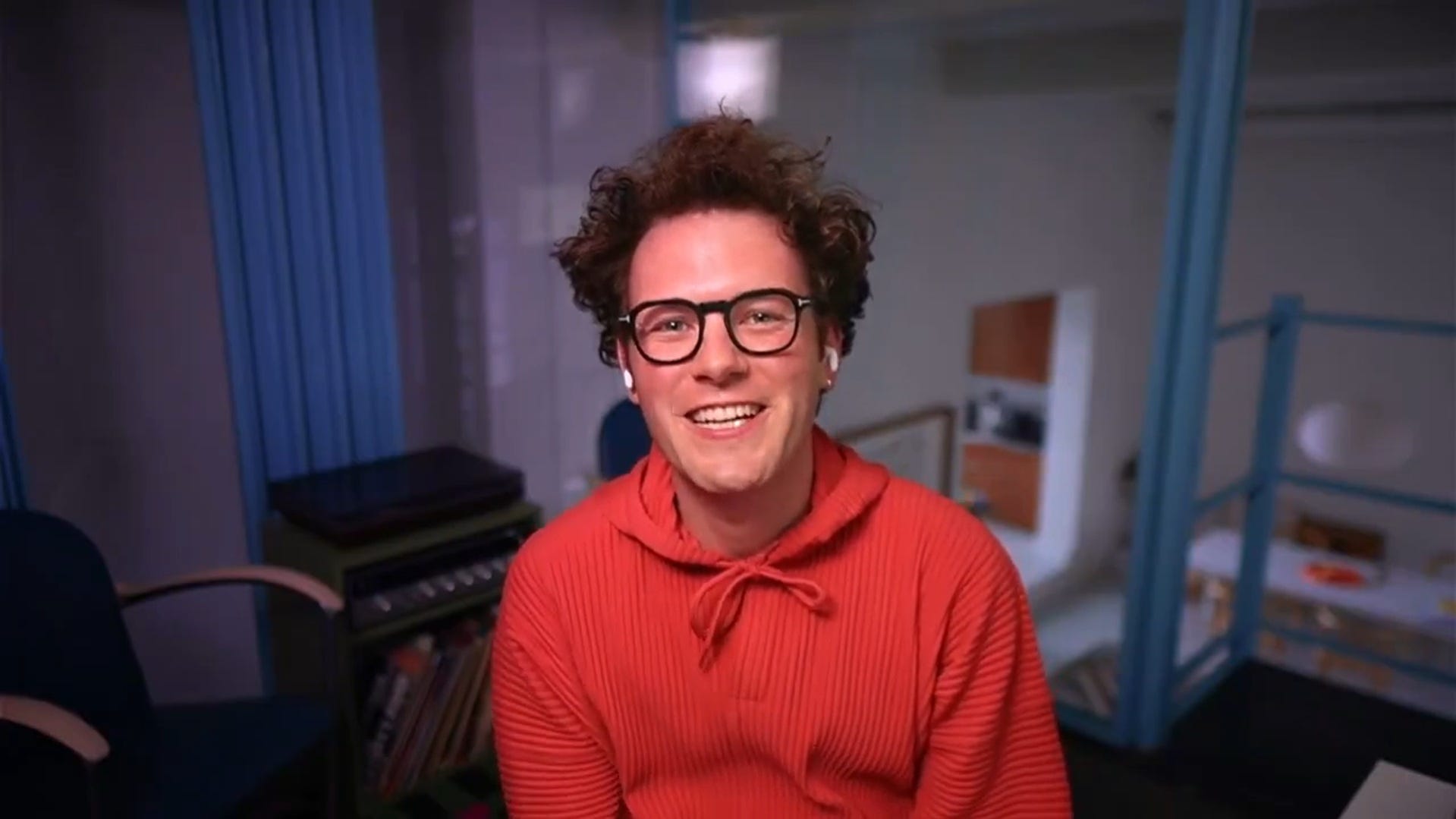
I sat down with Samuel Beek, Chief Product Officer of Veed.io, to discuss how he and the team transformed AI into Veed’s biggest growth driver.
Disclaimer: The organizational choices and technical solutions shared in this newsletter aren’t meant to be copied and pasted as-is. Always keep your company’s context in mind before adopting something that works elsewhere! 😊
Finding the ignition point in user demand
At first, Veed treated AI as an add-on. Features like automatic subtitles or background removal helped with traction, but they weren’t growth engines. The breakthrough came in late 2022 when a hacked-together text-to-speech demo went viral, generating millions of views.
“That was the moment I realized, oh f**k, this is really real. There is clear market pull.” Samuel (Veed’s CPO) recalls.
Instead of waiting for users to articulate their needs, Veed noticed demand emerging organically from experiments. This marked the shift from seeing AI as an incremental improvement to recognizing it as the foundation for the next growth chapter.
Doubling down on generative video as the new value prop
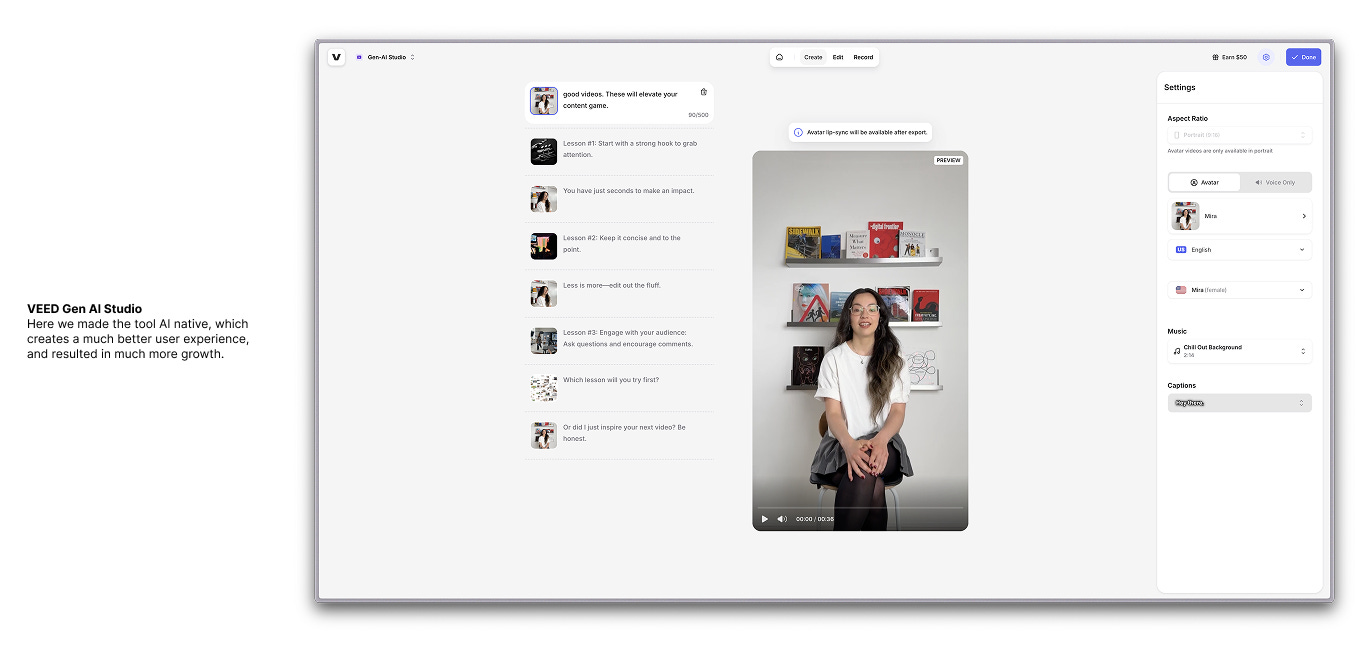
Veed’s insight was that editing alone limited growth because users still needed raw video. Generative AI changed the equation. If AI could generate video from text prompts, Veed could solve the hardest barrier: starting with nothing. This led to the launch of GenAI Studio, now the platform’s #1 growth driver. Samuel shared that within six months of launch, half of the exported videos on Veed were generated with AI. By solving the “blank canvas” problem, Veed didn’t just improve workflows. It unlocked new users who had never made videos before.

Riding the wave of new AI models
One of Veed’s most effective tactics has been positioning itself as the most user-friendly way to access cutting-edge models. The AI Playground, born from a hackathon (detailed below), lets users experiment with models like Veo3 or Kling AI in an intuitive interface. Whenever a new model trends, search traffic spikes, and users look for easy tools to try it. Veed captures this traffic by quickly integrating those models, ensuring it stays top-of-mind during hype cycles.
“With AI, you’re not just serving existing demand. You’re generating demand.” — Samuel (Veed’s CPO)
Building viral, easy-to-demo AI features
Some of Veed’s biggest wins came from features that are visually striking and easy to share. The AI eye contact correction feature, launched with Nvidia, went viral on LinkedIn and Instagram because the before-and-after effect was instantly clear. Despite early flaws—like mismatched eye colors or problems with glasses—the feature succeeded because users were forgiving of AI’s imperfections as long as results were visible. This reframed Veed’s approach: prioritize features that can showcase immediate transformation, even if they’re not perfect.
Turning hackathons into growth experiments
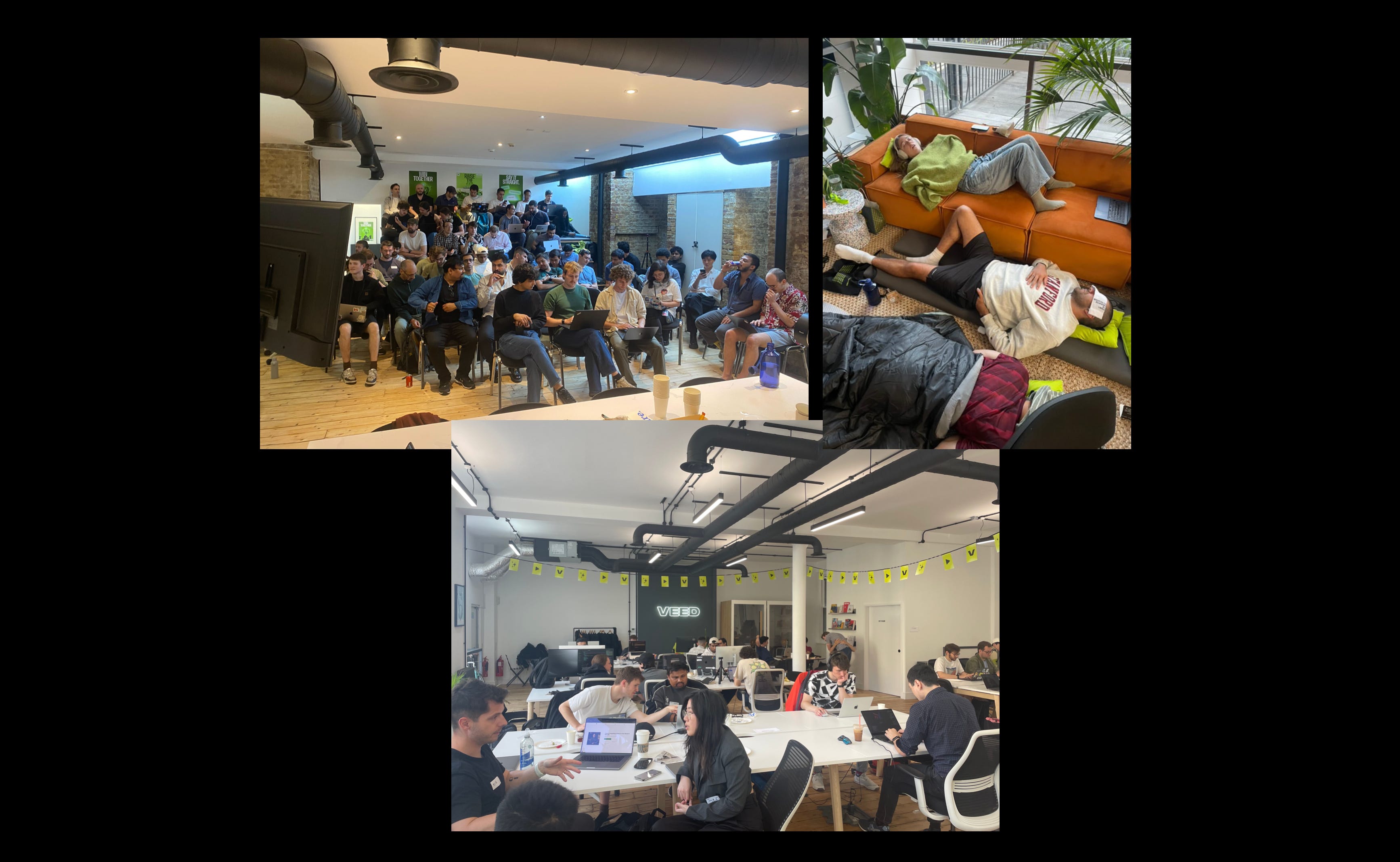
Veed institutionalized hackathons as a way to surface new AI-driven growth bets. The ChatGPT app store integration, built in 2 days, ended up driving 15% of new revenue at its peak. Hackathons also produced the AI Playground and other viral features. Crucially, Samuel ensured that hackathon outputs fed into the product roadmap, with 40% of projects making it into production. By lowering the barrier to experimentation, Veed built a repeatable system for spotting and scaling the next growth levers.
Error: slapping AI on existing workflows
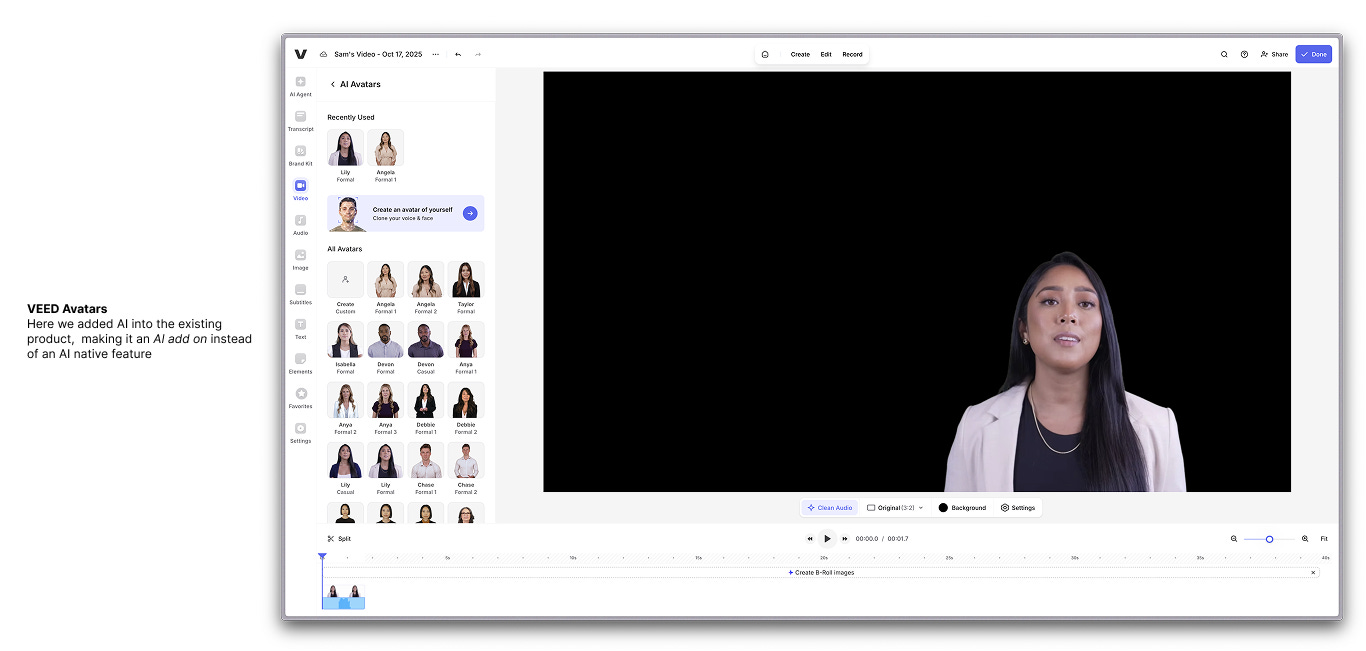
The biggest mistake Veed made was treating AI as just another feature bolted onto its existing editor. Early attempts at adding avatars failed because the workflows were still designed around editing, not generation. Users didn’t adopt these features, leading the team to conclude demand wasn’t there. In reality, the problem was product design, not user interest. The lesson: AI often requires rethinking user journeys from the ground up.
“Just slapping things into the existing places in Veed—that didn’t work well.” — Samuel (Veed’s CPO).
The pivot to purpose-built experiences like GenAI Studio was what unlocked growth.

- Virality from small experiments can reveal market pull before users articulate demand.
- Generative AI solves the blank canvas problem, unlocking entirely new user segments.
- Surfacing in hype cycles requires rapid integration of trending AI models.
- Shareable, visual transformations drive growth even if results aren’t perfect.
- Hackathons can evolve from innovation rituals into structured growth experiments.
- AI-native workflows require redesigning UX, not just adding features.
-
My full interview with Veed’s CPO
Dive deeper into this topic with Samuel Beek, Chief Product Officer of Veed.io, in my latest podcast episode:
Test your Product performance in 10 min
Trusted by 100+ startups and top CPOs like:


In this article
About Stellar
Stellar is a team of senior CPOs and CTOs who work hands-on inside product and engineering teams to fix what slows them down. Not advisors. Not trainers. Operators who've done the job before and know exactly where to look.
Discover StellarDive deeper
See all articles
.avif)
.avif)
.avif)